INTRODUCTION
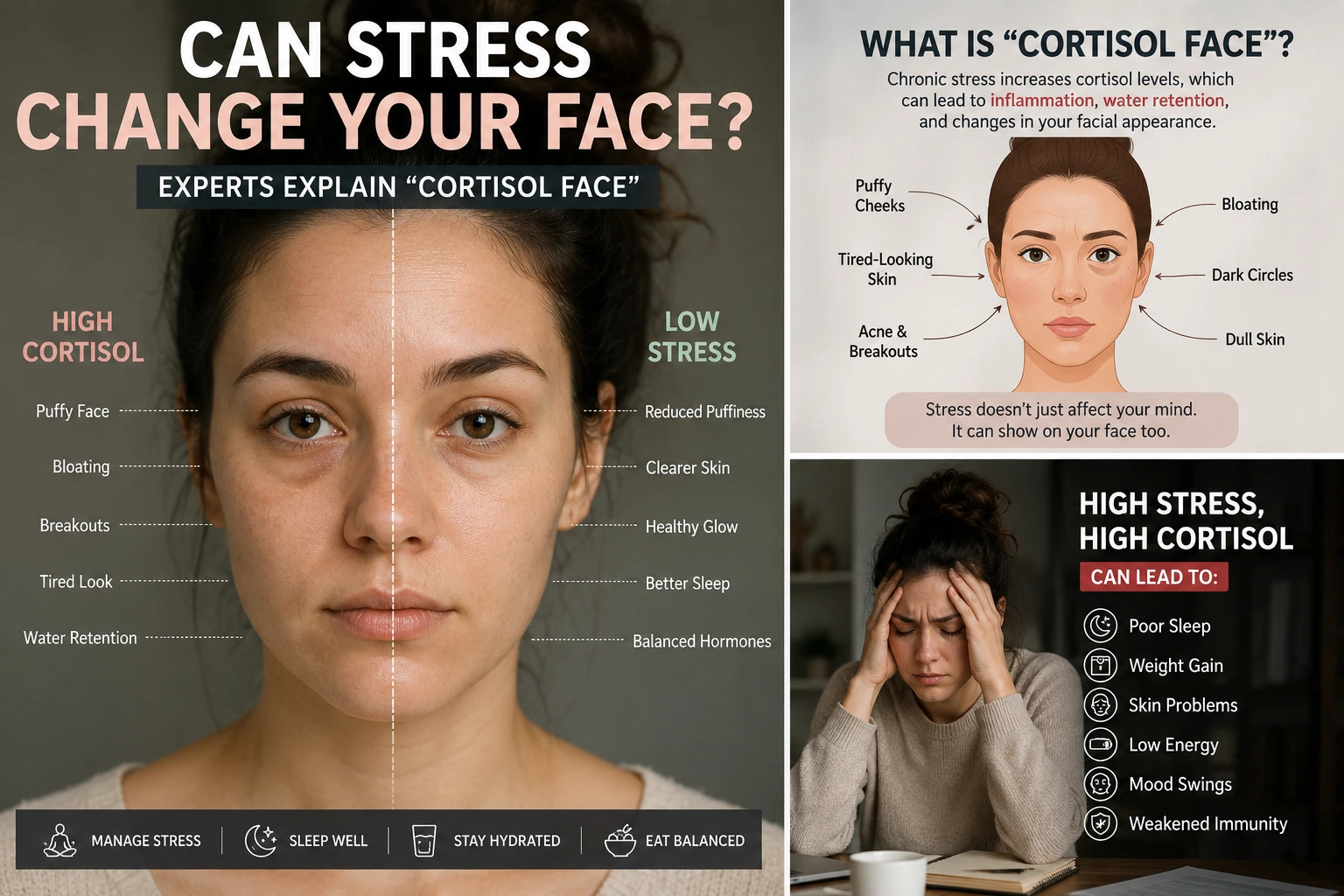
Stress affects more than your mood. According to social media trends and wellness influencers, it may also affect how your face looks. The viral term “cortisol face” has exploded online, with millions of people claiming stress causes puffiness, bloating, acne, and facial swelling.
But is “high cortisol face” actually real — or just another internet health myth?
Here’s what science, doctors, and health experts say.
What Is Cortisol?
Cortisol is often called the stress hormone. Your body releases it from the adrenal glands during stressful situations.
Cortisol helps regulate:
- Energy levels
- Blood sugar
- Sleep cycles
- Inflammation
- Metabolism
- Blood pressure
In short bursts, cortisol is useful. It helps your body react quickly during danger or stress.
The problem starts when stress becomes constant.
What Is “Cortisol Face”?
“Cortisol face” is a viral term used to describe facial puffiness or swelling supposedly caused by high stress levels and elevated cortisol.
People online commonly associate it with:
- Puffy cheeks
- Rounder face shape
- Water retention
- Acne breakouts
- Tired-looking skin
- Facial bloating
The trend became popular on TikTok and fitness social media after users posted before-and-after photos claiming reduced stress changed their appearance dramatically.
Can High Cortisol Really Change Your Face?
The answer is: sometimes, yes — but not exactly the way social media claims.
Experts say chronically high cortisol can contribute to:
- Water retention
- Increased inflammation
- Poor sleep quality
- Weight gain
- Skin issues
All of these can indirectly affect facial appearance.
However, doctors warn that most people blaming “cortisol face” are oversimplifying complex health issues.
Temporary facial puffiness can happen from:
- Lack of sleep
- High sodium intake
- Alcohol
- Dehydration
- Weight fluctuations
- Stress-related inflammation
So while stress can influence appearance, the internet often exaggerates the idea.
The Difference Between Stress Puffiness and Medical Conditions
Very high cortisol levels caused by medical conditions are different from everyday stress.
One example is Cushing’s syndrome, a rare disorder involving excessive cortisol production. It can cause:
- Rounded face (“moon face”)
- Rapid weight gain
- Thin skin
- Muscle weakness
- Fat accumulation around the neck
But this condition is uncommon and usually requires medical diagnosis.
For most people, mild facial puffiness is more likely linked to lifestyle habits rather than dangerous cortisol levels.
Signs Stress May Be Affecting Your Appearance
Stress affects the body in many ways beyond the face.
Common signs include:
- Dark circles under eyes
- Acne flare-ups
- Dull skin
- Hair thinning
- Dry skin
- Fatigue
- Jaw tension
- Poor posture
- Weight gain around the stomach
When stress becomes chronic, sleep and recovery often worsen — and that can show physically.
Why Social Media Is Obsessed With “Cortisol Face”
The trend became popular because it combines:
- Beauty insecurity
- Wellness culture
- Transformation content
- Quick-fix solutions
Many influencers promote supplements, detoxes, or “cortisol-lowering hacks” without strong scientific evidence.
This creates unrealistic expectations and can increase anxiety about normal facial changes.
Experts say facial appearance naturally changes because of:
- Aging
- Lighting
- Hydration
- Diet
- Hormones
- Body fat percentage
Not every puffy face means your cortisol is dangerously high.
How to Naturally Lower Stress and Support Healthy Skin
Instead of chasing viral “cortisol detox” trends, health experts recommend focusing on basic lifestyle habits.
1. Improve Sleep
Poor sleep is strongly linked to elevated stress hormones.
Aim for:
- 7–9 hours nightly
- Consistent sleep schedule
- Less screen time before bed
2. Exercise Regularly
Moderate exercise helps regulate stress and improve mood.
Good options include:
- Walking
- Strength training
- Yoga
- Cycling
Overtraining, however, can sometimes increase stress levels.
3. Reduce Ultra-Processed Foods
Highly processed foods may increase inflammation and water retention.
Focus more on:
- Fruits
- Vegetables
- Lean protein
- Whole grains
- Healthy fats
4. Stay Hydrated
Dehydration can worsen puffiness and tired-looking skin.
Drinking enough water may help reduce bloating.
5. Manage Daily Stress
Simple habits can help lower mental stress:
- Meditation
- Deep breathing
- Journaling
- Spending time outdoors
- Limiting doomscrolling
Are Cortisol Supplements Necessary?
Most healthy people do not need special cortisol-lowering supplements.
Many products marketed online lack strong evidence and may overpromise dramatic results.
Before taking supplements for hormone balance, it’s best to speak with a healthcare professional.
Final Verdict: Is “Cortisol Face” Real?
Stress absolutely affects the body — and sometimes your appearance too.
But the viral idea of “cortisol face” is often exaggerated online.
For most people, facial puffiness is more likely linked to:
- Poor sleep
- Diet
- Water retention
- Stress-related habits
- Lifestyle factors
The good news is that healthier daily habits can improve both stress levels and overall appearance over time.
Instead of chasing social media trends, focus on long-term wellness, recovery, sleep, hydration, and balanced nutrition.
That approach works better than any viral “cortisol hack.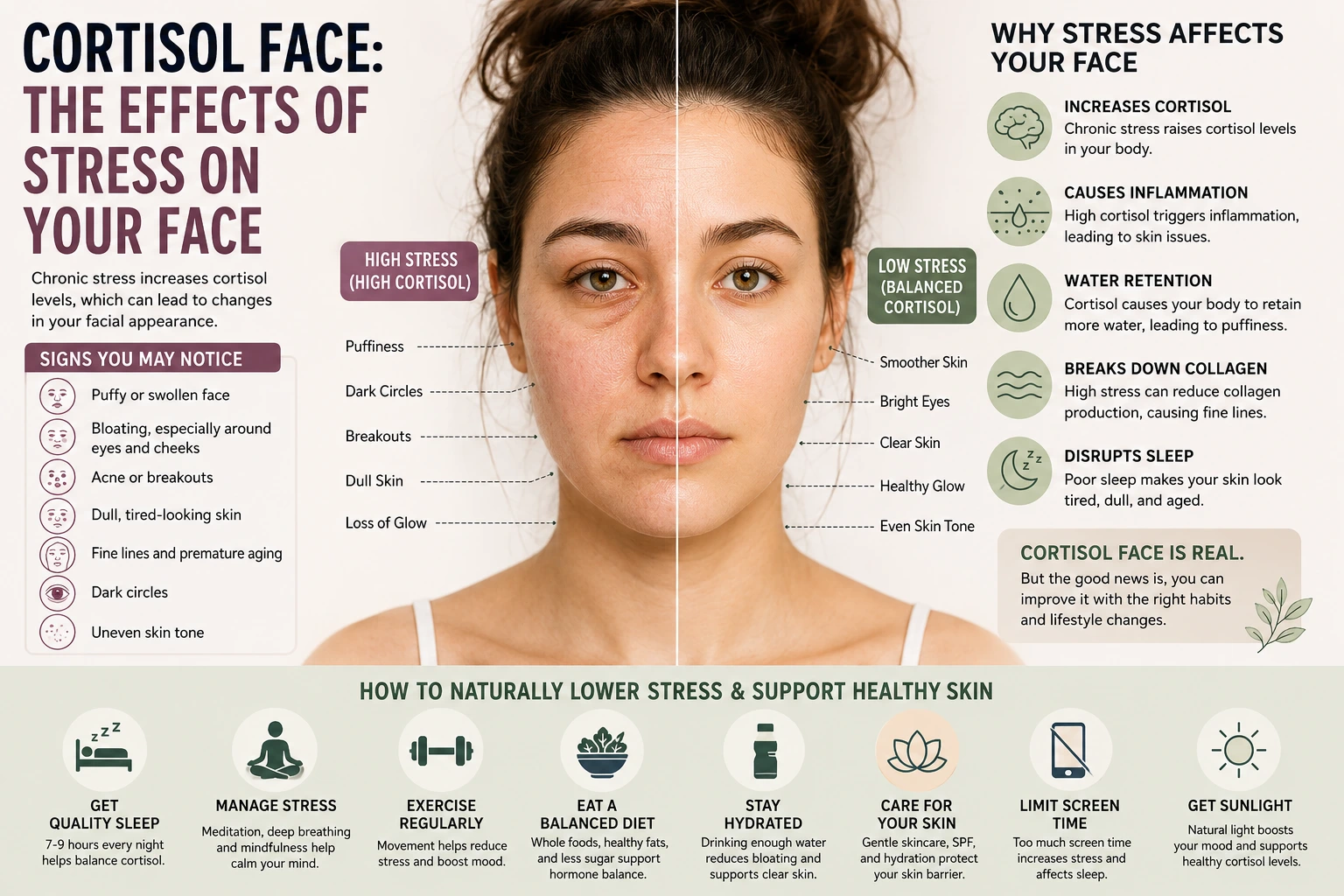
/